
Best Dropshipping Suppliers in USA for 2026: Fast Shipping
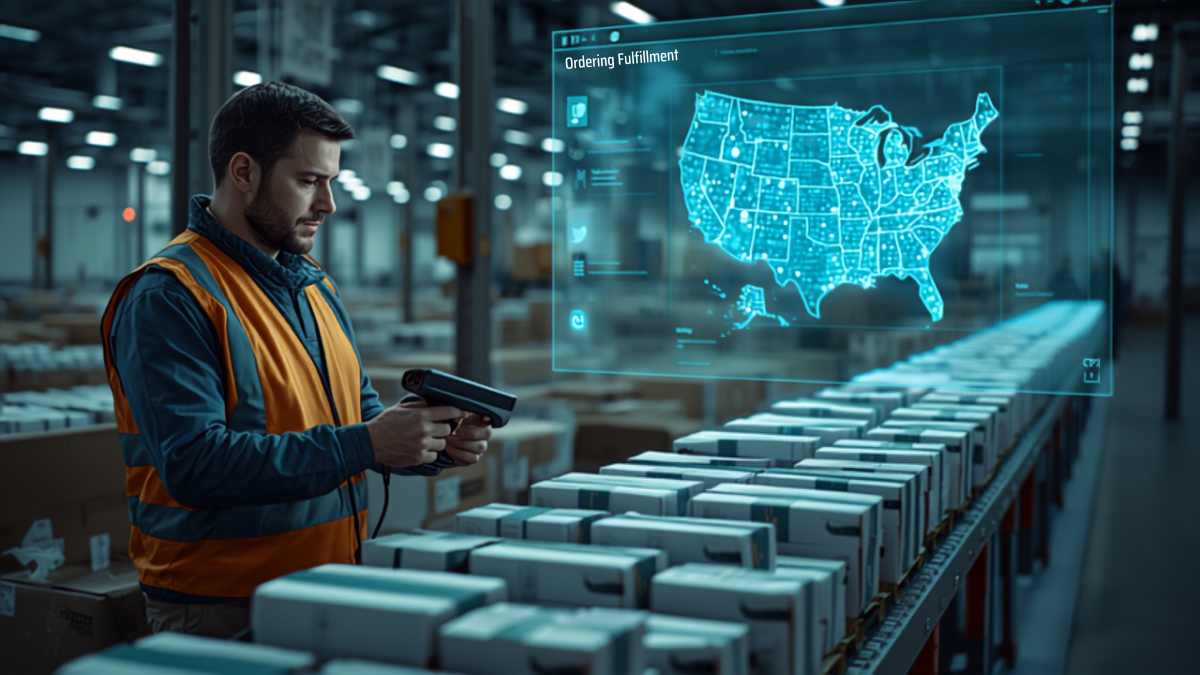
Finding reliable dropshipping suppliers USA 2026 shoppers can trust starts with understanding what domestic sourcing actually changes. American suppliers cut shipping times from weeks to days, which matters more than ever as customers expect fast delivery by default. This guide narrows down supplier options worth your time, based on real fulfillment speed, minimum order rules, and platform integrations rather than marketing claims. We are not ranking every supplier directory on the internet, just the ones with a track record of consistent domestic fulfillment. If you are building or refining a US-focused dropshipping store, this breakdown gives you a starting shortlist instead of another endless list to sift through.
At a Glance
- Domestic US suppliers typically ship in 2-5 business days versus 2-4 weeks from overseas.
- Look for suppliers with direct Shopify or WooCommerce app integration to avoid manual order entry.
- Minimum order quantities and account fees vary widely, so confirm both before committing.
- Faster shipping usually means a higher per-unit cost, so margins need extra attention.
Dropshipping Suppliers: What This Guide Covers (and Skips)
This roundup focuses on suppliers that maintain warehouses inside the United States and ship most orders within a week. It’s built for dropshippers selling primarily to US customers who need delivery speed as a competitive edge.
It does not cover print-on-demand-only platforms, since those run on a different production model with their own tradeoffs. It also skips overseas suppliers already covered in broader sourcing guides, along with boutique niche suppliers that don’t offer public integration tools.
How We Evaluated Dropshipping Suppliers USA 2026 Options
Picking dropshipping suppliers USA 2026 sellers can depend on comes down to a handful of measurable factors, not brand recognition. We weighed each option against the same criteria before including it here.
- Warehouse location and the shipping zones it actually covers
- Average order processing time from purchase to shipment
- Minimum order quantities or monthly account fees
- Native integration with Shopify, WooCommerce, or similar platforms
- Return and refund policies for the seller, not just the end customer
Quick Summary
- Speed and integration matter more than supplier size.
- Processing time varies more than shipping time between providers.
- Fees and minimums can erase thin margins fast.
Comparison: Top US-Based Supplier Types Worth Considering
Rather than naming one universal best option, it helps to compare supplier categories, since strengths differ by product type and order volume. General marketplaces with US warehouse partners tend to offer the broadest catalog but slower average processing than specialized suppliers. Niche-focused suppliers often ship faster because they hold less overall inventory variety.
Marketplace-style platforms that partner with domestic warehouses are a reasonable starting point for sellers testing multiple product categories at once. They usually offer plug-and-play Shopify integration, which reduces setup time for new stores. The tradeoff is less control over packaging and branding compared with working directly with a single supplier.
Direct-relationship suppliers, where you work with one US-based wholesaler or manufacturer, tend to offer more consistent processing times once the relationship is established. They often require a more involved onboarding process, including account approval or a minimum order commitment. This model suits sellers who have already validated a product and want tighter quality control.
Who Domestic Dropshipping Suppliers Are Right For (and Who Should Skip Them)
This approach fits sellers targeting US customers who compare delivery speed when choosing between similar listings. It also suits stores selling products where slow shipping causes disproportionate refund requests, like seasonal or gift items. Sellers with enough margin to absorb higher per-unit costs will feel the speed advantage most.
It’s a poorer fit for sellers focused purely on the lowest possible unit cost, since overseas suppliers usually undercut domestic pricing. Anyone still validating a product idea with minimal spend may prefer cheaper overseas testing before switching to a faster, costlier domestic supplier. Stores selling highly specialized or custom items may not find a matching domestic supplier at all.
Risks and Limits of Sourcing Dropshipping Suppliers USA 2026
Faster shipping does not eliminate the operational risks that come with any dropshipping model. Sellers are still responsible for accurate product descriptions and delivery timelines under the FTC’s Mail, Internet, or Telephone Order Merchandise Rule, which sets legal expectations for shipping communication. Misrepresenting processing times, even unintentionally, can create compliance problems beyond lost sales.
Domestic suppliers can also change pricing, minimums, or catalog availability with little notice, so building a single-supplier business carries concentration risk. The U.S. Census Bureau’s retail e-commerce data shows how quickly online shopping volume shifts year to year, which affects supplier capacity and lead times. Sellers should track processing time reports, not just headline shipping promises, before scaling ad spend around any one supplier.
New sellers evaluating this model can also review the U.S. Small Business Administration’s guide to starting an online business for baseline compliance and recordkeeping expectations. None of this guarantees results, but it reduces the odds of a fulfillment or compliance surprise later.
Key Takeaways
- Domestic suppliers reduce shipping risk but not compliance or business risk.
- Concentration in one supplier is a real vulnerability worth planning around.
- Government resources on shipping rules and e-commerce trends are worth a periodic review.
Making Your Final Call on Dropshipping Suppliers USA 2026
The right choice among dropshipping suppliers USA 2026 offers depends less on finding a perfect option and more on matching supplier type to your product and margin structure. If speed is your main selling point, prioritize processing time data over supplier size or catalog breadth. If cost is the priority, a domestic supplier may not be the right fit at all, and that’s a reasonable conclusion to reach.
Test with small order volumes before committing to any single supplier relationship, regardless of how strong their sales pitch sounds. Reassess quarterly, since minimums, fees, and shipping zones shift more often in this space than most sellers expect.
Choosing dropshipping suppliers USA 2026 sellers can rely on comes down to matching your product, margin, and customer expectations to the right fulfillment model. No supplier eliminates the underlying risks of a dropshipping business, but domestic sourcing narrows the shipping-speed gap that costs many stores repeat customers. Start small, track real processing data, and adjust as your store grows.