
Amazon FBA vs Dropshipping 2026: Which Is Right for You?
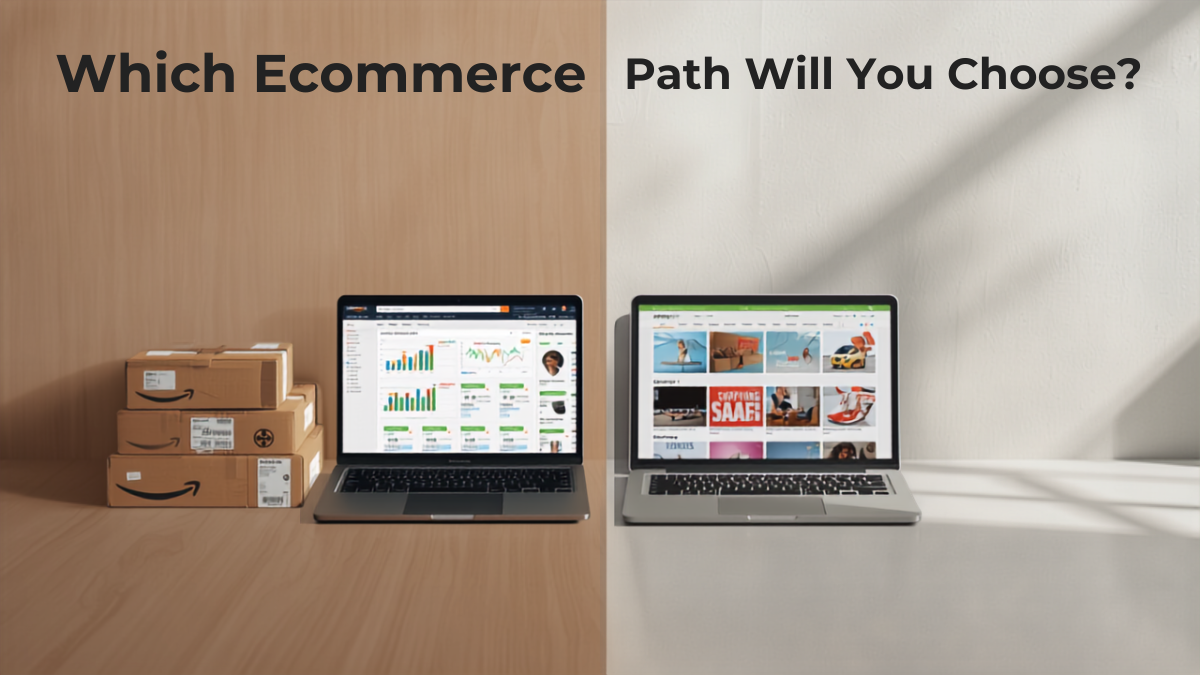
Choosing between Amazon FBA vs dropshipping 2026 comes down to how much capital, time, and control you are willing to trade for speed. Both models let you sell physical products online without building a warehouse or a factory. But they ask for different things upfront, and they reward different kinds of sellers. This guide breaks down what each model actually requires, where the real risks sit, and how to match the decision to the resources you have right now. It skips generic startup hype and focuses on the trade-offs that matter most before you commit money or time.
At a Glance
- Amazon FBA: higher upfront cost, built-in traffic, more brand ownership potential
- Dropshipping: lower upfront cost, full traffic responsibility, thinner margins
- FBA tends to fit sellers with a few thousand dollars and patience for inventory cycles
- Dropshipping tends to fit sellers who want to test product ideas before committing to stock
- Neither model is passive income – both need ongoing weekly management
Amazon FBA vs Dropshipping 2026: What This Comparison Covers (and What It Doesn’t)
This article compares Amazon FBA and independent-store dropshipping as they work in 2026, focused on startup cost, time investment, and long-term control. It does not cover Amazon Merch, wholesale reselling, or print-on-demand, since those are separate business structures with their own cost profiles.
It also will not tell you which specific products to sell, since that decision depends on niche research rather than the business model itself. Think of this as a framework for choosing a starting point, not a product list.
Amazon FBA vs Dropshipping 2026 Evaluation Criteria
Any fair comparison of Amazon FBA vs dropshipping in 2026 needs consistent criteria applied to both models. The four factors below determine which path fits your current situation, and skipping any one of them leads to an incomplete picture.
- Startup capital required – how much cash you need before your first sale.
- Time to first sale – how quickly you can realistically get a listing live and selling.
- Margin and pricing control – how much room you have to set and protect your prices.
- Long-term brand ownership – whether you are building an asset you control or renting access to one.
Comparison: How the Two Models Actually Work
With Amazon FBA, you send inventory to Amazon’s warehouses and Amazon handles storage, packing, and shipping. You are buying stock upfront, often in bulk from a manufacturer, which means real money is tied up before a single sale happens. In exchange, you get access to Amazon’s existing customer base and the trust that comes with Prime shipping.
With dropshipping, you list products on your own store and a supplier ships directly to the customer after each sale. You never hold inventory, so the financial risk per unit is much lower than with FBA. The tradeoff is that you are responsible for all of your own traffic, and margins are typically thinner since suppliers set the wholesale pricing you build on top of.
For a primer on the standard planning steps behind either model, the U.S. Small Business Administration’s business guide outlines startup considerations that apply whether you hold inventory or not.
Who This Is For (and Who Should Skip It)
Amazon FBA tends to suit sellers who already have a few thousand dollars set aside and do not need income right away. It also fits people comfortable negotiating with manufacturers and forecasting inventory several months ahead.
Dropshipping suits sellers who want to test multiple product ideas quickly without tying up cash in stock that might not sell. Neither model works well for someone expecting immediate, hands-off income, since both require ongoing attention to listings, customer service, and rising advertising costs.
Key Takeaways
- FBA rewards available capital and patience with inventory cycles
- Dropshipping rewards speed, testing, and lower risk tolerance for cash
- Both require several hours a week of active management, especially early on
Risks and Limits to Consider
Amazon FBA carries real inventory risk. Unsold stock accrues storage fees the longer it sits, and account suspensions, while uncommon, can freeze access to funds and listings with little warning.
Dropshipping carries a different set of risks. Long shipping times from overseas suppliers can hurt customer satisfaction, and thin margins leave little room for mistakes in ad spend. The Federal Trade Commission’s business guidance covers shipping-time disclosure and advertising rules that apply directly to dropshipping stores.
Competition is also rising in both models as more sellers enter the space. According to U.S. Census Bureau retail trade data, e-commerce continues to grow as a share of total retail sales, which means more sellers are competing for the same buyers every year.
Final Decision Frame: Amazon FBA vs Dropshipping 2026
If you have capital to invest and want the credibility of Amazon’s marketplace, FBA is generally the more defensible long-term choice. If you want to test ideas cheaply before scaling, dropshipping through your own store lowers the initial financial risk considerably.
Either way, treat the first three months as a research period rather than a guaranteed income stream. Track your actual numbers closely before assuming either model will scale the way it did for someone else.
Bottom Line
- Match the model to the capital you actually have, not just your interest level
- Budget for fees and ad spend on both sides – neither model is fee-free
- Reassess after one full quarter of real sales data, not early guesses
Amazon FBA vs dropshipping is not a question with one universal right answer – it depends on your capital, timeline, and appetite for hands-on inventory work. Start with the model that matches resources you already have, track your numbers closely, and reassess after your first quarter of real sales data before scaling further.