
Is an HSA Worth Opening If You’re Healthy? A Decision Guide

If you rarely visit the doctor, paying for a High-Deductible Health Plan just to get an HSA might seem counterintuitive.
However, healthy individuals often extract the highest long-term financial value from Health Savings Accounts.
The Core Mechanics: Why Healthy People Consider HSAs
An HSA, or Health Savings Account, is a tax-advantaged account tied to an eligible High-Deductible Health Plan (HDHP).
Unlike a Flexible Spending Account (FSA), HSA funds do not expire at the end of the calendar year.
If you stay healthy, your contributions roll over indefinitely and can be invested in broad-market low-cost index funds.
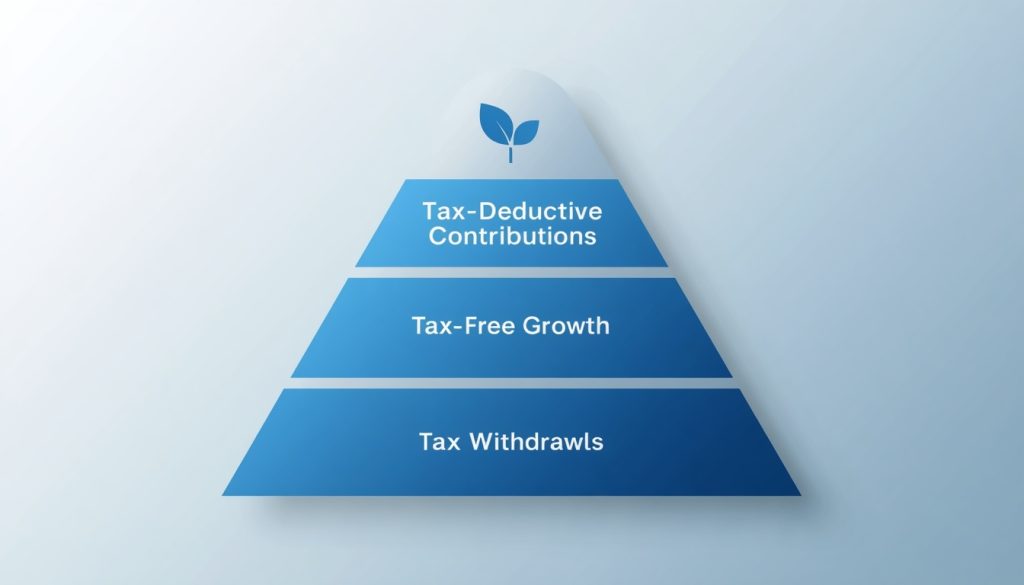
The account offers three distinct tax benefits that no other individual account matches:
- Tax-Deductible Contributions: Money goes in before income taxes, reducing your taxable income today.
- Tax-Free Investment Growth: Capital gains, dividends, and interest compound completely free of taxes.
- Tax-Free Withdrawals: Money comes out tax-free at any time for qualified medical expenses.
Quick Summary
- HSA balances roll over forever, making them ideal vehicles for accumulating wealth.
- Three separate tax advantages give HSAs higher tax efficiency than Traditional or Roth IRAs.
The Trade-Off: High-Deductible Health Plans
To qualify for an HSA, you must enroll in an HSA-eligible High-Deductible Health Plan.
HDHPs generally feature lower monthly premiums, but you pay full cost for non-preventive medical care until reaching your deductible.
For someone with minimal healthcare needs, lower monthly premiums create immediate cash flow savings.
Those monthly premium savings can directly fund your HSA contributions.
However, if an unexpected medical issue arises, you must be prepared to pay higher upfront expenses out of pocket.
In Short
- HDHPs trade lower monthly premiums for higher out-of-pocket costs when care is needed.
- Healthy individuals usually save enough on monthly premiums to cover initial contribution goals.
Using an HSA as an Investment Vehicle
Many healthy account holders treat an HSA as an additional long-term retirement account.
If you pay minor medical expenses out of pocket today, you can leave your HSA funds invested for decades.
There is currently no deadline for reimbursing yourself for healthcare expenses.
You can save receipts from age 25 and reimburse yourself tax-free at age 60.
After age 65, you can also withdraw funds for non-medical expenses subject only to regular income tax, exactly like a Traditional IRA.
Key Takeaways
- HSA funds can be invested in stock index funds for decades of uninterrupted tax-free growth.
- Medical receipts can be saved indefinitely for future tax-free reimbursements.
- After age 65, non-medical withdrawals work similarly to a Traditional IRA.
Practical Decision Tool: 4-Step HSA Checklist
Use this simple checklist to determine whether an HSA aligns with your financial plan.
- Evaluate Healthcare Usage: Do you only require annual preventive checkups?
- Check Emergency Funds: Do you have liquid savings to cover the maximum out-of-pocket deductible if needed?
- Compare Premium Savings: Does the HDHP save you significant money on annual premiums compared to a PPO?
- Confirm Investment Horizon: Can you afford to leave HSA contributions invested for five years or more?
Bottom Line
- If you have emergency cash reserves and minimal health costs, an HSA provides unmatched tax leverage.
- Skip the HDHP and HSA combination if high deductible risk causes ongoing financial stress.